The Green Myth vs. Vintage Reality:
Why Our 60-Year-Old Jeeps Lead the Way.
In the travel industry today, everyone is talking about “green energy.” We see headlines about electric cars being the savior of the planet and massive solar farms as the ultimate solution. But if you look closer—especially here in Cambodia—the story isn’t as clean as the brochures suggest.
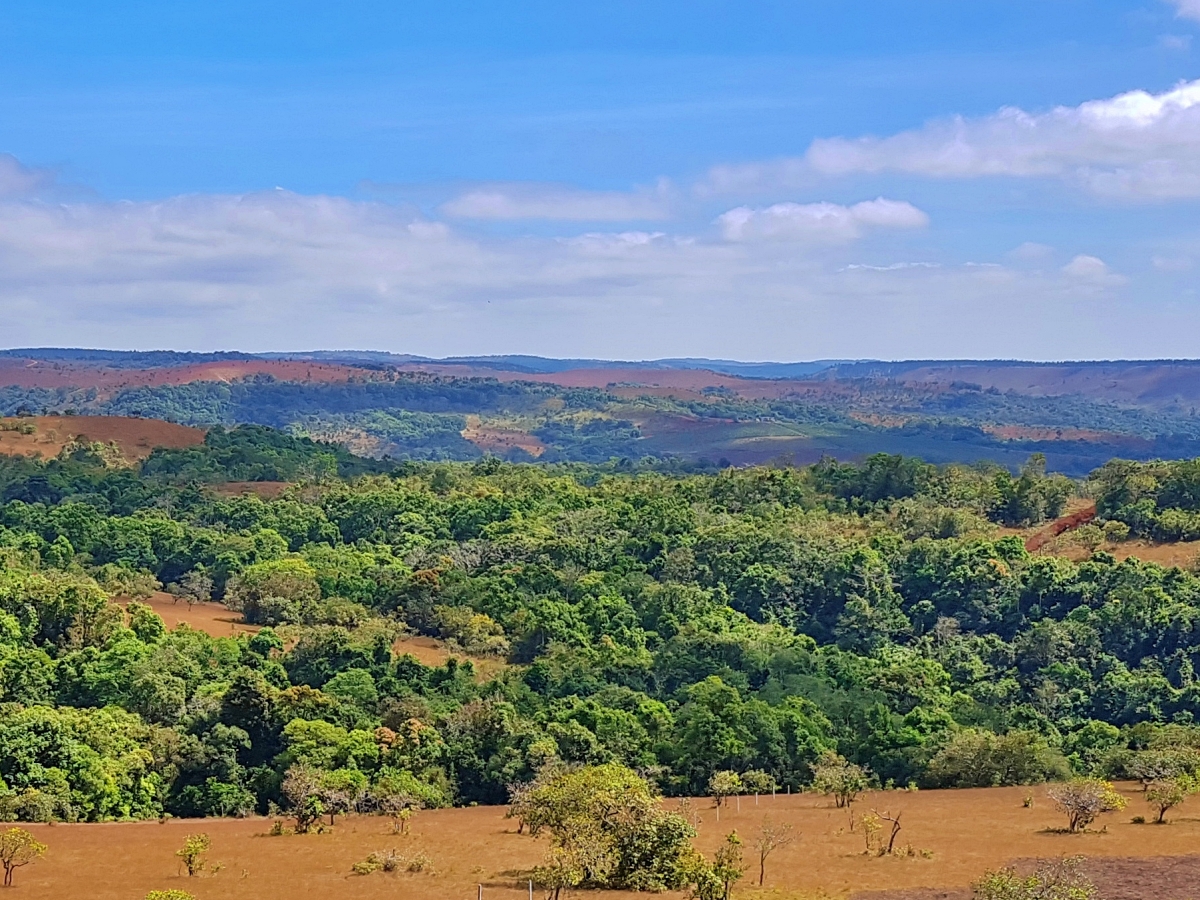
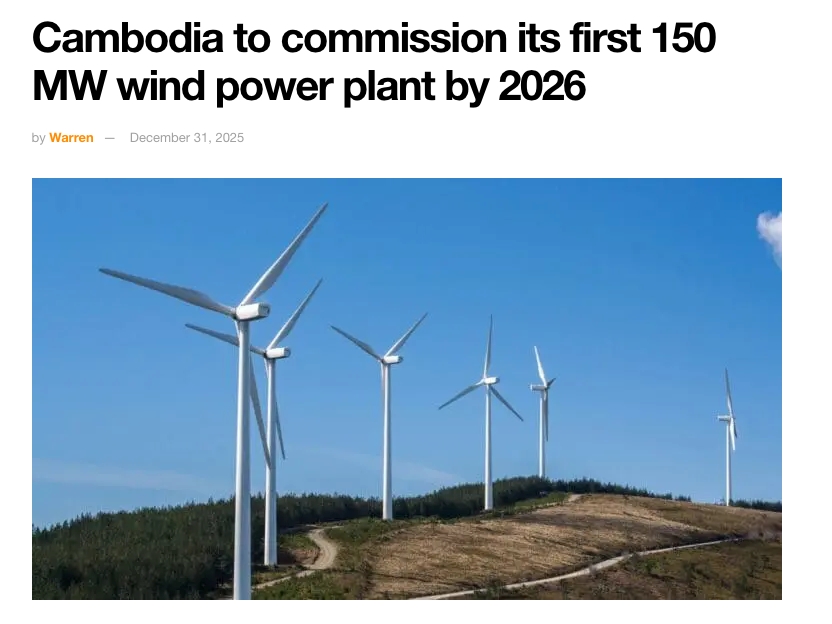
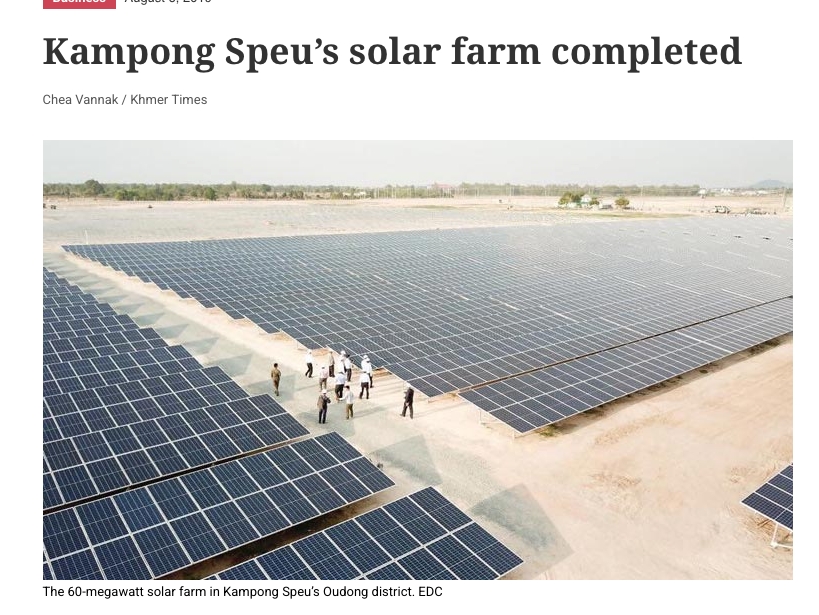
At Cambodiajeep.com, we’ve been navigating the backroads of this beautiful country for over 20 years. Lately, we’ve seen a shift. Rice fields are being replaced by vast solar plantations, and pristine ridges in provinces like Mondulkiri are being marked for massive wind farms. While it’s sold as “clean energy,” the reality is often a matter of “whoever pays the most, builds,” regardless of the ecological cost.
The Hidden Cost of “Clean” Energy
People often assume that because a wind turbine doesn’t have an exhaust pipe, it has no footprint. But a single large turbine contains hundreds of liters of oil for its gearbox and blades made of fiberglass that are nearly impossible to recycle.
Then there is the issue of solar batteries. The lithium and cobalt required for these “green” batteries come from mines that consume vast amounts of water and raise serious human rights concerns. When we destroy a rice field—the heart of a local community’s food source—to install solar panels, we are simply shifting the environmental damage elsewhere.

The Ultimate Form of Sustainability: The 35-Year Life Cycle
This is where our vintage jeeps come into the picture. Most people see an old M151 A2 MUTT Jeep and think of history. We see the ultimate example of sustainability through circularity.
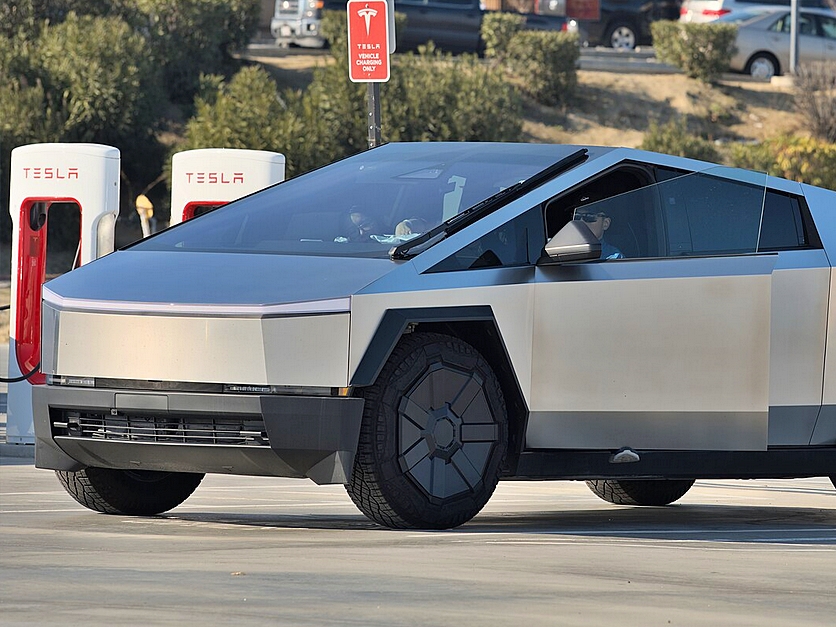
While the world rushes to build millions of new electric cars—a process that requires massive amounts of raw materials—we are driving vehicles that have been on the road for over 60 years. But we didn’t stop there. To make them more responsible for today’s world, we have repowered our fleet.

We replaced the original engines with Toyota engines from the early ’90s. Here is why that matters:
- Cleaner & More Efficient: These 35-year-old engines are much more fuel-efficient and have lower emissions than the 1960s originals.
- Double Life Extension: Instead of these Toyota engines ending up as scrap metal decades ago, we gave them a second life. They have been running daily in our jeeps for over 30 years and are still going strong.
- No New Manufacturing Debt: The energy required to build these engines was spent decades ago. We aren’t digging new mines to build a “green” car for you; we are maintaining and optimizing what already exists.
Real Travel, Honest Impact
We believe that true sustainability isn’t found in a marketing slogan. It’s found in keeping machines alive through local skill and mechanical expertise. Our jeeps don’t rely on complex, rare-earth-heavy computers or massive battery packs that will become chemical waste in a decade.
When you join us for a tour, you are participating in a philosophy that values quality and longevity over “disposable” tech. We don’t pretend that travel has zero impact, but we do promise an honest experience that respects the land.


As the landscape changes and wind turbines begin to dot the horizons of Mondulkiri, we will continue to prove that “old” can be even smarter than “new.” You are in good, honest hands with us—driving history, powered by a legacy of Japanese reliability that just won’t quit.
Curious about how we keep history on the road? Click the link to discover our unique vintage jeep tours.